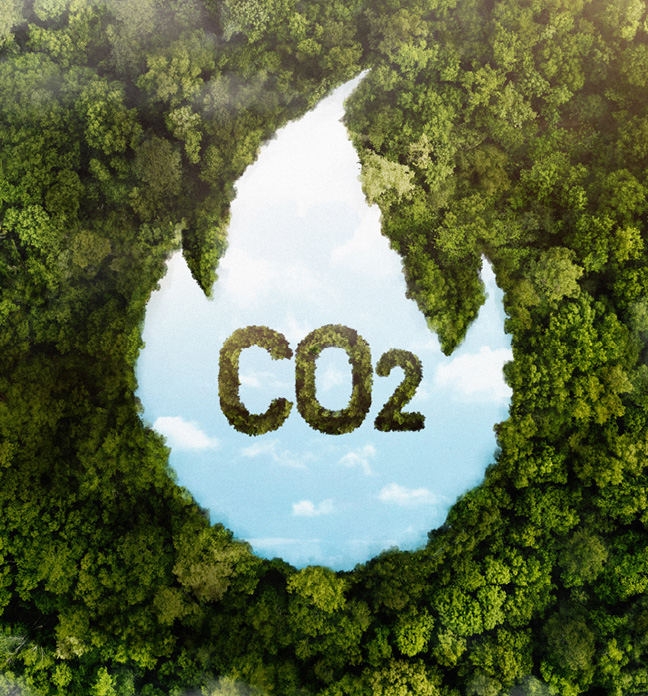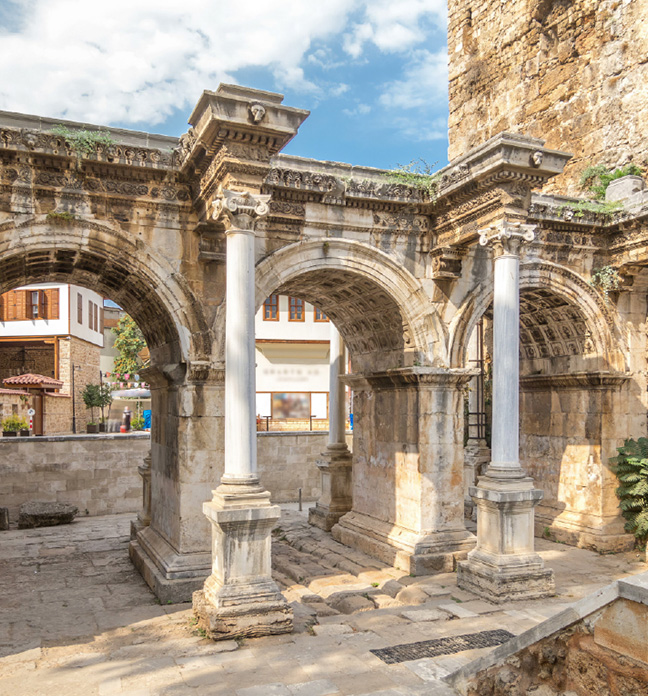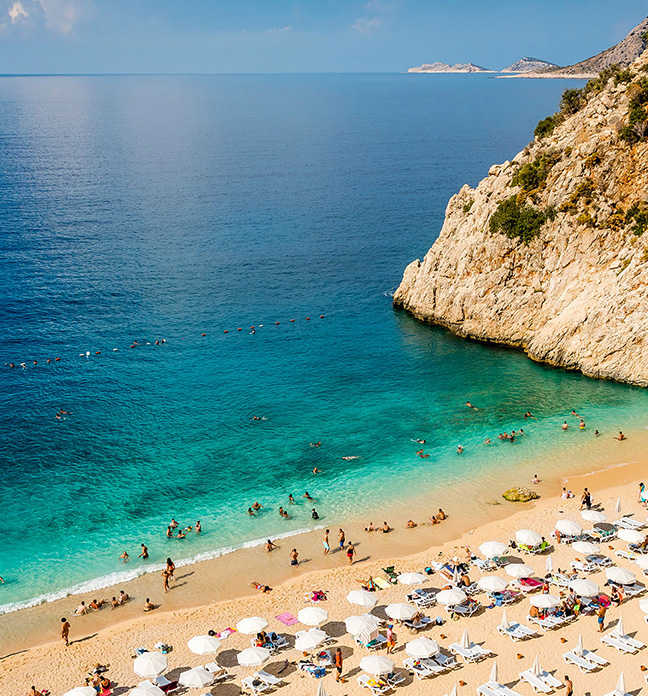

The Climate Crisis in the Mediterranean: Wildfires, Drought, and the Role of COP31
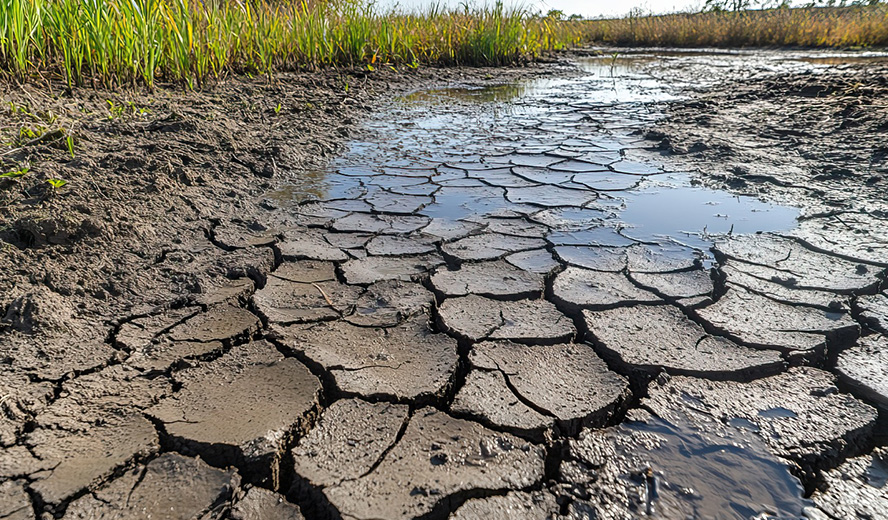
The Mediterranean Basin is one of the world’s important regions, with its rich biodiversity, agricultural production capacity, and natural habitats. However, in recent years, the impacts of climate change have placed significant pressure on this fragile ecosystem. Rising temperatures, prolonged periods of drought, increasing pressure on water resources, and more frequent wildfires are among the major environmental risks facing Mediterranean countries.
The effects of the climate crisis are not limited to natural areas; they directly affect many sectors, including agriculture, tourism, energy, and urban life. Therefore, strengthening international climate policies and developing regional solutions are of great importance.
In this context, the COP31 Climate Summit will be an important platform for setting new targets in the fight against climate change and developing common solutions among countries.
What Are the Changing Climate Conditions in the Mediterranean Basin?
The Mediterranean Basin is considered one of the regions most affected by climate change. As global temperatures rise, average temperatures in the region are increasing, while significant changes are also occurring in precipitation patterns.
Hotter and longer summer periods lead to increased evaporation, reduced soil moisture, and growing pressure on water resources. This creates significant risks, particularly for agriculture, forest ecosystems, and local habitats.
More frequent heat waves, irregular rainfall, and extreme weather events are expected to occur in the future. Therefore, countries need to strengthen their climate change adaptation policies.
Main Causes of Increasing Wildfires
Increasing wildfires in the Mediterranean region are among the most striking consequences of the climate crisis. High temperatures, low humidity levels, and prolonged periods of drought make forest areas more vulnerable to fires.
The main factors contributing to the increase in wildfires include:
- Prolonged heat waves,
- Decreasing precipitation,
- Dry vegetation becoming more easily flammable,
- Human-related errors and inappropriate land use,
- Challenges in fire prevention and forest management.
Wildfires not only damage natural areas; they can also reduce air quality, increase carbon emissions, and negatively affect regional economies. Therefore, early warning systems, sustainable forest management, and fire prevention measures are of great importance.
Drought and Water Resource Management
One of the most important challenges facing the Mediterranean region is increasing pressure on water resources. Declining rainfall and rising temperatures can lead to lower reservoir levels, reduced groundwater resources, and difficulties with agricultural irrigation.
Water scarcity poses a significant threat to agriculture, tourism, and urban life. Sustainable water management becomes particularly critical in tourism destinations where the population increases during the summer months.
Rainwater harvesting systems, smart irrigation technologies, and water conservation practices are among the important solutions for protecting water resources in the future.
Why Is the COP31 Climate Summit a Critical Turning Point?
The COP31 Climate Summit is one of the important international meetings where global climate targets will be assessed. The summit will address greenhouse gas emissions reductions, renewable energy investments, climate finance, and climate change adaptation policies.
For Mediterranean countries, the importance of COP31 lies in ensuring that regional climate challenges receive stronger attention on the global agenda. Issues such as wildfires, drought, and the protection of water resources require a common effort from countries across the region.
The decisions taken at COP31 could provide an important roadmap for supporting investments that increase climate resilience, accelerating the transition to clean energy, and protecting natural resources.
Organizational planning is also important for representatives attending the summit. Considering accommodation near COP31 during the event period can help participants have a more efficient experience in terms of transportation and time management.
What Steps Should Be Taken for the Mediterranean Region in the Future?
Long-term and sustainable policies need to be implemented to make the Mediterranean region more resilient to the climate crisis.
Key priorities include:
- Increasing investments in renewable energy,
- Reducing the use of fossil fuels,
- Protecting forests and developing reforestation efforts,
- Using water resources efficiently,
- Expanding climate-friendly agricultural practices,
- Making cities more resilient to extreme weather events.
What Are Türkiye’s Priorities in the COP31 Process?
As a country located within the Mediterranean climate zone, Türkiye is closely experiencing the effects of climate change. Rising temperatures, wildfires, drought risks, and increasing pressure on water resources are among the priority issues in Türkiye’s climate policies.
Türkiye’s priorities during the COP31 process include increasing renewable energy capacity, strengthening emissions reduction efforts, and developing climate change adaptation policies.
Türkiye’s experience in the Mediterranean region can contribute to international cooperation in areas such as climate finance, technology transfer, and resilience against natural disasters.
The Mediterranean’s fight against the climate crisis is not only an environmental issue but also a strategic economic and social concern. International platforms such as COP31 offer important opportunities for countries to develop common solutions and take stronger steps against the impacts of climate change.