
What is Jet Lag? How Can Jet Lag be Prevented and Treated?

Traveling across different time zones is an exciting part of exploring the world, allowing travelers to discover new destinations, cultures, and experiences. However, long-distance journeys can sometimes bring an unexpected challenge: jet lag.
Jet lag is a temporary condition that affects the body's internal clock after crossing multiple time zones. Although it is not a serious health problem, it can influence sleep patterns, energy levels, mood, and overall comfort during the first days of a vacation.
Understanding what causes jet lag and learning how to manage it can help travelers adapt faster and enjoy their holiday from the moment they arrive.
With the right preparation before travel and a few simple adjustments during your stay, it is possible to reduce the effects of jet lag and make the most of your vacation experience.
What is Jet Lag?
Jet lag occurs when the body's natural sleep-wake cycle, known as the circadian rhythm, becomes temporarily disrupted due to rapid travel across different time zones.
The human body naturally follows a daily rhythm based on daylight, darkness, meal times, and regular sleeping patterns. When travelers arrive in a new time zone, their internal clock may still be synchronized with their previous location.
For example, when traveling from a country with a different time zone to Türkiye, your body may initially feel that it is still time to sleep, eat, or stay awake according to your previous schedule.
The greater the time difference between your departure and arrival destinations, the more noticeable jet lag symptoms may become.
Jet lag is commonly experienced after:
- Long-distance flights
- Traveling across multiple time zones
- Overnight journeys
- Eastward or westward international travel
While some travelers adapt within a day, others may need several days for their body to fully adjust to the new schedule.
What are the Symptoms of Jet Lag and Who is at Risk?
Jet lag symptoms can vary from person to person depending on factors such as age, travel direction, sleep habits, and the number of time zones crossed.
Some travelers experience mild discomfort, while others may notice stronger effects that temporarily influence their daily activities.
Common jet lag symptoms include:
- Difficulty falling asleep
- Daytime tiredness
- Reduced concentration
- Changes in appetite
- Feeling mentally slow
- Low energy levels
- Mood changes
Although anyone traveling across time zones can experience jet lag, some groups may be more affected, including frequent travelers, older adults, people with irregular sleep schedules, and those taking very long flights.
Sleep Disorders and Fatigue
One of the most common effects of jet lag is disruption of normal sleep patterns.
Travelers may experience:
- Difficulty sleeping at night
- Waking up earlier than expected
- Feeling sleepy during the day
- Reduced energy and motivation
This can affect the first days of a vacation, making it harder to fully enjoy activities, explore the destination, or maintain normal routines.
Creating a comfortable sleep environment after arrival is important for helping the body adjust. A relaxing evening routine, limited screen exposure before bedtime, and a comfortable accommodation environment can support better rest.
Digestive and Concentration Problems
Jet lag may also influence digestion and mental focus.
Changes in meal times, sleep schedules, and daily routines can temporarily affect appetite and digestive comfort. Some travelers may notice changes in hunger patterns or experience mild digestive discomfort.
Concentration can also be affected, particularly during the first days after arrival. Travelers may find it harder to focus, make decisions, or maintain their usual level of alertness.
Allowing your body time to adapt instead of immediately following a demanding schedule can help create a smoother transition.
How to Prevent Jet Lag? Suggestions Before and During Your Trip
Although jet lag cannot always be completely avoided, several strategies can help reduce its effects.
Before traveling, gradually adjusting your sleep schedule closer to your destination's time zone can support easier adaptation.
Helpful preparation tips include:
- Adjusting bedtime a few days before departure
- Getting enough rest before your flight
- Staying hydrated during travel
- Avoiding excessive caffeine before sleeping
- Preparing comfortable travel clothing
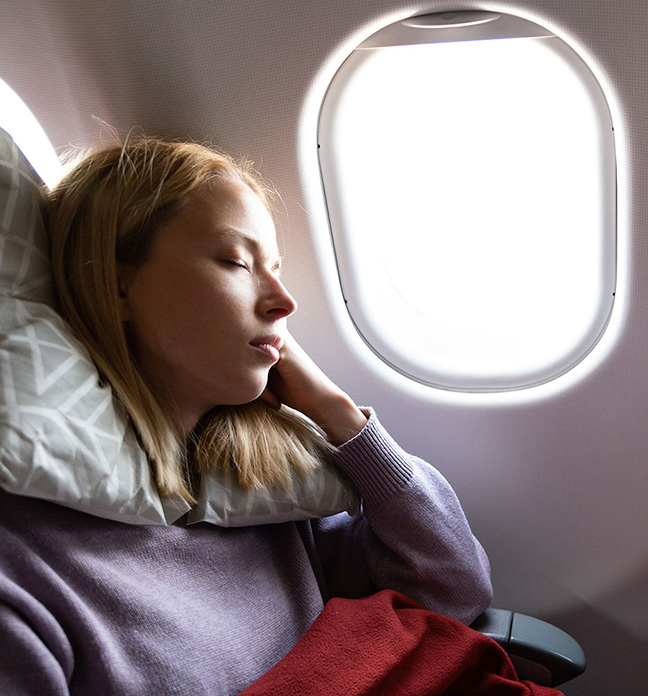
During your flight, try to follow the schedule of your destination. If it is nighttime at your arrival location, resting during the flight may help your body adapt.
After arrival, exposure to natural daylight is one of the most effective ways to help reset your internal clock. Spending time outdoors and following local meal and sleep times can accelerate adjustment.
Keeping your first days flexible can also make your transition smoother. Instead of planning a fully packed itinerary immediately after arrival, allow yourself time to relax and recover.
Maximizing Your Vacation Experience After Jet Lag
Once your body begins adapting to the new time zone, you can fully enjoy everything your destination has to offer.
A balanced vacation schedule that combines relaxation, exploration, and wellness activities can help you feel refreshed and energized.
Simple activities such as walking outdoors, enjoying healthy meals, spending time by the sea, and maintaining light physical activity can support your body's adjustment process.
Choosing accommodation that provides opportunities for relaxation can also make a significant difference after a long journey.
Comfortable rooms, peaceful surroundings, wellness facilities, and personalized services allow travelers to recover from travel fatigue while enjoying their holiday.
Many guests prefer destinations that offer a complete relaxation experience where they can combine accommodation, wellness, gastronomy, and leisure activities in one place.
A Post-Jet Lag Rejuvenation Experience at Ela Excellence Resort Belek
After a long journey, a relaxing environment can help travelers recover their energy and fully enjoy their vacation.
Ela Excellence Resort Belek provides an exceptional Mediterranean setting where guests can focus on relaxation, comfort, and personal well-being.
Located in the beautiful Belek region of Antalya, the resort combines elegant accommodation, outstanding dining experiences, leisure activities, and wellness opportunities designed to create a balanced holiday experience.
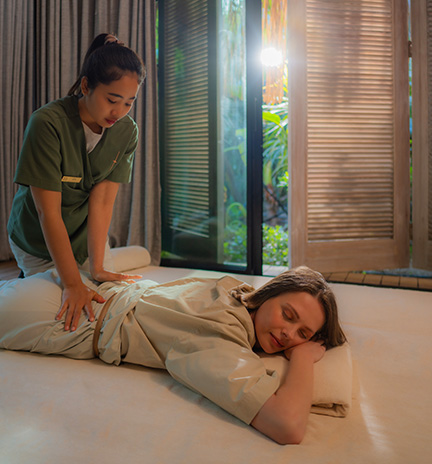
For travelers seeking relaxation after international journeys, wellness facilities play an important role in restoring energy and reducing travel fatigue. Among the many options available in the region, Belek spa hotels attract guests who want to combine luxury accommodation with rejuvenating wellness experiences.
Ela Excellence Resort Belek offers guests the opportunity to enjoy moments of relaxation through carefully designed wellness experiences, peaceful surroundings, and services focused on guest comfort.
After adjusting to a new time zone, visitors can enjoy the resort's Mediterranean atmosphere, spend relaxing moments by the sea, discover delicious culinary experiences, and participate in activities suitable for different travel preferences.
Families can create memorable moments together through specially designed experiences, while couples and individual travelers can enjoy peaceful moments dedicated to relaxation and renewal.
A successful vacation is not only about reaching a destination; it is about feeling your best throughout the journey. By understanding jet lag, preparing properly, and choosing a destination that supports relaxation, travelers can transform the first days of their holiday into a comfortable and enjoyable experience.
Ela Excellence Resort Belek provides the perfect setting for guests looking to recover, relax, and embrace every moment of their Mediterranean escape with renewed energy.