The History of Turkey Belek: Ancient Cities and Traces of the Past
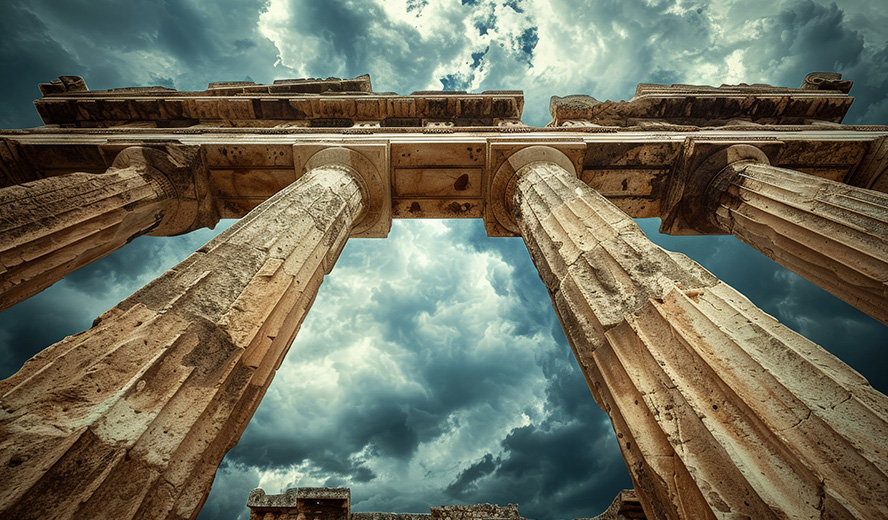
Located on Antalya's Mediterranean coast, Belek is a destination known not only for its natural beauty and modern holiday facilities but also for a history stretching back thousands of years. Today famous for its luxury resorts, golf courses and long coastline, the area was once part of Pamphylia, a region that was home to some of Anatolia's important civilisations. The ancient cities, historical buildings and archaeological remains around it make Belek more than a holiday spot: they turn it into an important centre for cultural discovery.
Understanding Belek's history means getting to know the civilisations that flourished in and around Antalya, their trade routes and the cultural heritage that has survived from different periods. From the impressive theatre of Aspendos to the historical remains of Sillyon, this heritage creates a strong link between past and present. Visitors holidaying in Belek can enjoy a richer travel experience by discovering the region's history alongside everything the sea and nature have to offer.
How Does the History of Belek, Türkiye Begin?
Belek's history is closely tied to that of the region known in antiquity as Pamphylia. Thanks to its fertile land, water resources and proximity to the Mediterranean, Pamphylia was an important region where different communities settled and civilisations developed. Its historical legacy can be traced not only in coastal settlements but also in the ancient cities founded further inland.
The area known today as Belek stands out for its proximity to major ancient cities such as Aspendos, Perge and Sillyon. These cities contributed to the development of political, economic and cultural life in different periods. The knowledge built up in agriculture, trade, water management and architecture helped the region retain its importance throughout history.
The remains that have survived from antiquity offer valuable insight into how people lived in the past. Theatres, agoras, aqueducts and city walls help us understand the architecture and social order of the time. Belek's historical identity should also be seen as part of this wider cultural landscape.
Tracing the History of Belek and Its Surroundings in Türkiye
The historical sites around Belek offer the chance to see traces of different civilisations in one place. The ancient cities of Aspendos, Perge and Sillyon in particular are key stops for visitors who want to explore the region's past. As well as their architectural features, these sites are important for showing how urban life was shaped in antiquity.
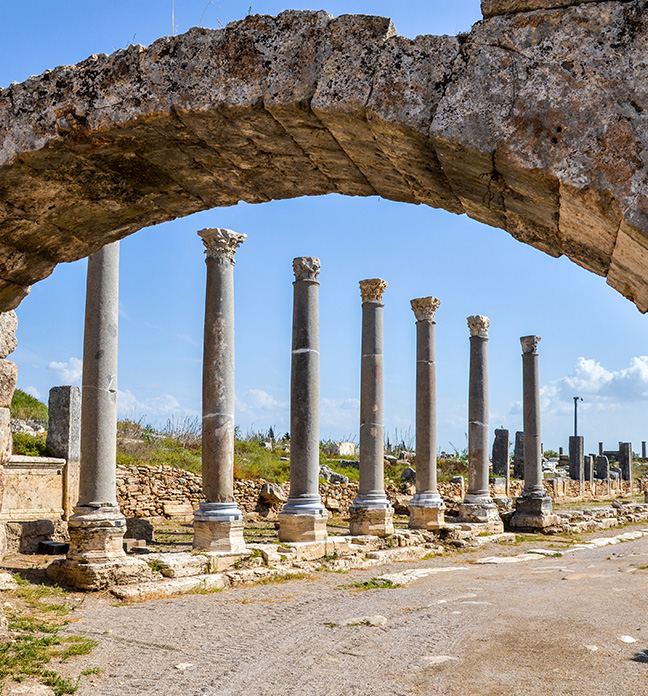
The ancient city of Aspendos is known for its Roman theatre, which has survived largely intact to this day. Perge, with its monumental gates, colonnaded streets and public buildings, is one of the most striking examples of ancient urban planning. Sillyon, meanwhile, reflects the region's historical diversity with its position on a high plateau and remains from different periods.
Visiting these historical sites is about more than seeing structures built long ago. It also helps you understand how the region's geography influenced where people settled, how cities made use of water resources and how different civilisations interacted with one another.
Heritage Preserved from Ancient Times to the Present Day
The region of Pamphylia was home to important settlements during the Hellenistic, Roman and Byzantine periods. The structures that have survived from these periods reveal the region's architectural and cultural development. Among the ancient cities around Belek, Aspendos stands out in particular for its well-preserved buildings and historical significance.
The Aspendos Ancient Theatre is one of the most impressive examples of Roman architecture in Anatolia. With its striking stage building and seating areas, the structure reflects the engineering and architectural approach of its time. The city's aqueducts also show the solutions developed in antiquity to bring water to settlements.
The ancient city of Perge offers visitors a comprehensive journey through history with its wide streets, agora, monumental fountains and stadium. Its buildings provide clues as to how public life, trade and social activities were organised.
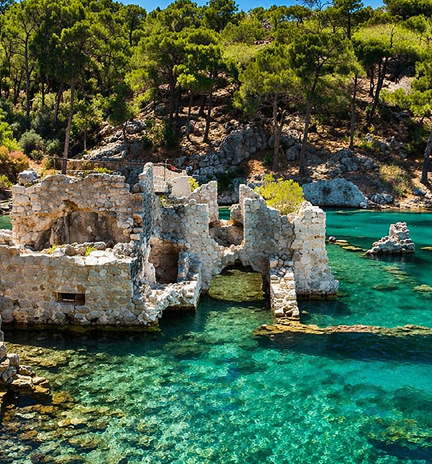
The ancient city of Sillyon is also notable for traces stretching from the Hellenistic period to the Byzantine and Seljuk eras. Structures used in different periods reveal a historical continuity in the region that was not limited to a single civilisation. This heritage greatly enriches cultural trips around Belek.
Traces of the Seljuk and Ottoman Periods in the Region
After the ancient civilisations, the history of Antalya and its surroundings continued to evolve during the Seljuk and Ottoman periods. As settlement patterns, architecture and economic relations in the region changed, some structures from the past continued to be used for new purposes.
Aspendos is a key example of how different historical periods intersect. The use of the ancient theatre as a caravanserai during the Seljuk period and the addition of an arch characteristic of Seljuk architecture show how historical buildings could be put to different uses over time.
Traces of the Seljuk period can also be seen at Sillyon. The Seljuk Mosque among the ruins of the ancient city is important for understanding the region's historical layers.
During the Ottoman period, the economic and social structure of settlements in and around Antalya was shaped by agriculture, trade and local life. That said, rather than tracing the foundations of Belek's current tourism identity directly to the Ottoman period, the region's historical development should be considered within the wider geography of Antalya and Serik. The ancient structures and historical settlements that can be visited today make it possible to read the different periods of this long history together.
The Transformation of Belek During the Republican Era
During the Republican era, Belek and the surrounding settlements underwent a significant transformation through regional development and tourism investment. The planned development of tourism, particularly from the 1980s onwards, played a decisive role in shaping Belek's identity today.
According to Visit Belek's historical information, the boundaries of the Belek Tourism Centre were defined in 1984 and the first tourism investments in the area began in 1987. In 1990, the planned development process expanded when the settlements of Belek and Kadriye were included within the tourism centre.
The growth of golf tourism in the 1990s helped Belek gain international recognition. In the years that followed, as accommodation, sports facilities and tourism infrastructure developed, the region became a holiday destination catering to a wide range of expectations.
This transformation did not erase Belek's historical identity; instead, together with its proximity to ancient cities and its natural surroundings, it became part of a new approach to tourism. Today, visitors to the region can enjoy modern accommodation while also discovering traces of thousands of years of history.
Ways to Discover the Historical and Cultural Heritage of Belek, Türkiye
One of the most effective ways to discover Belek's historical riches is to include the surrounding ancient cities and archaeological sites in your itinerary. Historical sites such as Aspendos, Perge and Sillyon are valuable stops for visitors who want to compare different periods.
When planning a history-focused trip, the following places can be given priority:
- Ancient City of Aspendos: With its Roman theatre and aqueducts, it is an ideal stop for getting to know ancient engineering and architecture.
- Ancient City of Perge: Its colonnaded streets, agora and monumental buildings offer the chance to discover ancient urban life.
- Ancient City of Sillyon: It stands out for its remains from different historical periods and its elevated location.
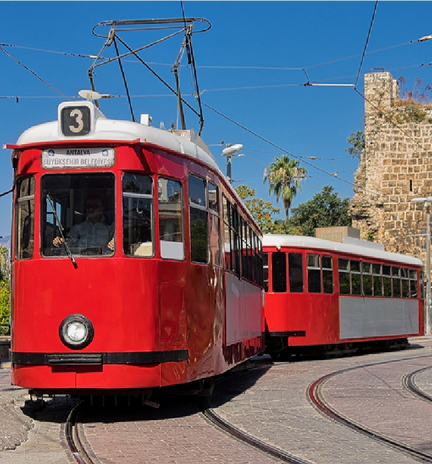
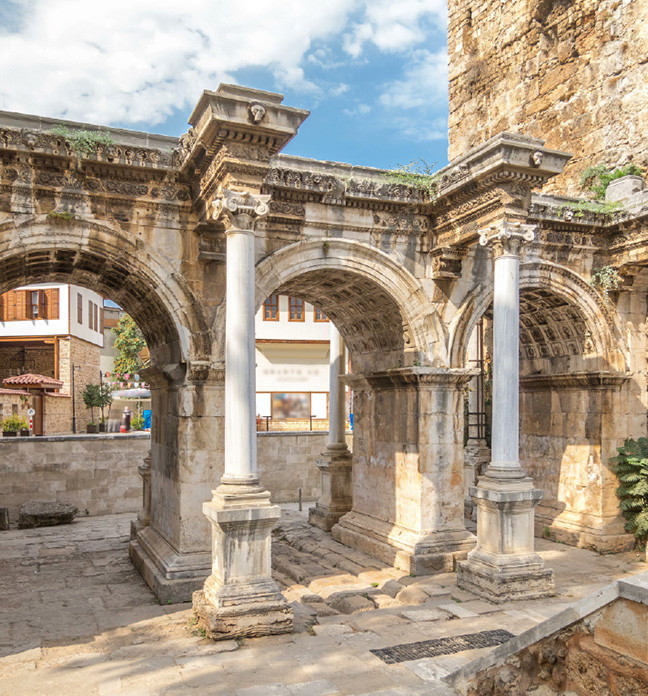
- Antalya Kaleiçi: With its historic streets, traditional architecture and urban fabric, it helps you understand Antalya's cultural development in more recent periods.
Before your visit, it is useful to check the opening hours of the archaeological sites, transport options and any ticketing arrangements. As you will be spending long periods outdoors, especially in the hot months, choosing the morning hours, carrying water and protecting yourself from the sun can make your visit more comfortable.
When touring historical sites, taking care to protect the structures, following designated visitor routes and reading the information boards are also important for the sustainability of cultural heritage.
How Did Belek, Türkiye Develop Its Modern Tourism Identity?
Belek's tourism identity today has been shaped by a combination of its natural environment, planned tourism investment and growing international interest. The Mediterranean climate, long coastline, pine forests and nearby historical sites allow the region to meet a wide range of holiday expectations.
Tourism planning, which began in the 1980s, laid the groundwork for the development of Belek's accommodation infrastructure. In later years, the rise of golf tourism meant the region appealed not only to visitors seeking a summer holiday but also to guests travelling for sport and experiences.
Today, Belek is known as a destination that brings together relaxation, gastronomy, sport, nature and cultural discovery. This variety also makes it easier to draw connections between the region's past and present.
For visitors planning a holiday in Belek, it is important to consider not only the accommodation facilities but also access to the surrounding historical and natural attractions when choosing among Belek hotels. This way, the holiday becomes an opportunity not only to relax but also to discover the region's cultural heritage and natural riches.
Discovering History and Nature Together in Belek, Türkiye
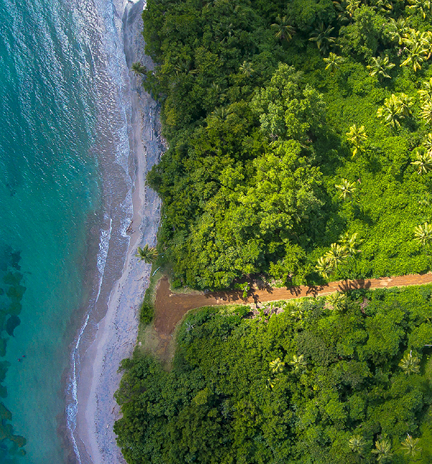
One of the things that makes Belek special is that historical sites and natural beauty come together within a short distance of each other. Spending time on the Mediterranean coast, hiking in the forests or exploring the region's wildlife after visiting the ancient cities adds different experiences to your travel plans.
Belek and its surroundings are also notable for the nesting areas of Caretta caretta sea turtles and a rich variety of bird species. Protecting coastal ecosystems is important for preserving the region's natural identity. That is why it is important to stick to designated routes on nature trips, avoid disturbing wildlife habitats and take care to protect the environment.
Those who want to experience history and nature together can visit an ancient city in the morning and spend the rest of the day enjoying the sea or nature activities. A programme like this helps you get to know different sides of Belek on the same trip.
Protecting cultural heritage and preserving the natural environment are two complementary priorities. Seeing Belek not only as a popular holiday destination today but also through the values it has carried from the past helps you better understand the region's unique character.
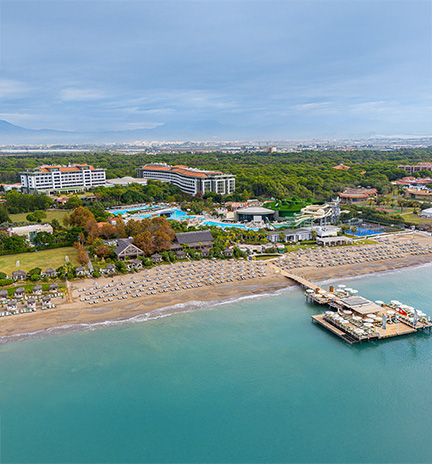
A Comfortable Stay for Exploring the History of Belek: Ela Excellence Resort Belek
When exploring Belek's historical and natural riches, a comfortable stay is one of the key factors that raises the overall quality of the trip. For guests who want to spend their days touring ancient cities, visiting cultural sites and discovering the region's natural beauty, having relaxation, gastronomy and personal comfort all in one place is important.
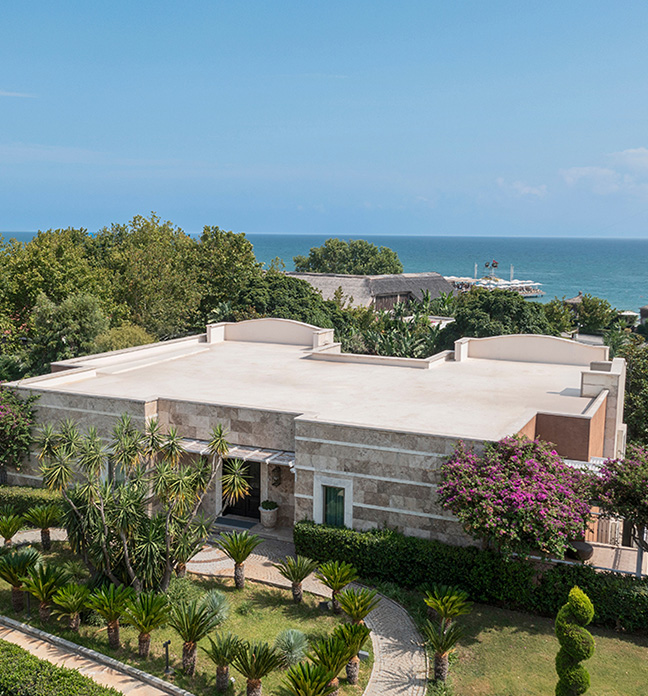
As one of Belek's accommodation options, Ela Excellence Resort Belek gives guests the opportunity to combine relaxation with a range of holiday experiences. Trips to discover the region's cultural heritage can be planned alongside a stay at the resort, making it possible to create a balanced holiday programme between historical discoveries and time to unwind.
Visits to historical sites such as Aspendos, Perge and Sillyon can add a cultural dimension to a Belek holiday. Tailoring your itinerary to the length of your stay and your personal interests helps you get to know the region's different periods more closely. Relaxing in a comfortable setting and enjoying gastronomic experiences after a day of sightseeing can also be among the most enjoyable parts of the holiday.
Discovering Belek's past is not just about seeing ancient ruins; it is about understanding the traces left by different civilisations, the region's natural environment and its transformation today as a whole. When planning your stay at Ela Excellence Resort Belek, you can add cultural discoveries to your itinerary and experience the richness of the Mediterranean, where history, nature and comfort meet.
Discover Belek's historical heritage, natural beauty and contemporary approach to holidays together with Ela Excellence Resort Belek.